LMS
LMS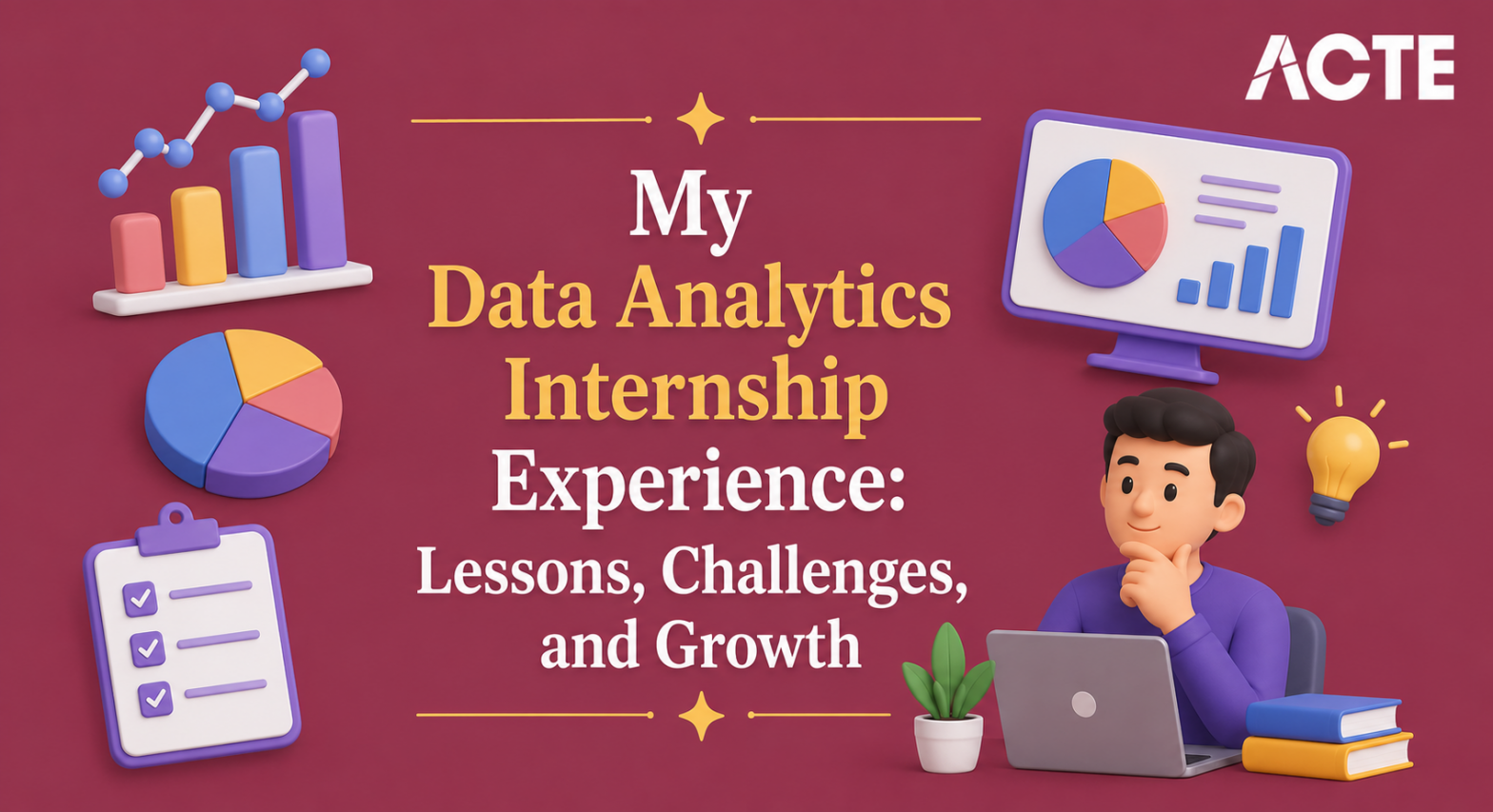
Last updated on 17th Jun 2026| 9292

- Introduction to My Data Analytics Internship Journey
- Why I Chose a Data Analytics Internship
- Preparing for My First Internship Opportunity
- Learning Industry Tools and Technologies
- Working on Real-World Data Analytics Projects
- Challenges I Faced During the Internship
- Key Skills and Knowledge I Gained
- Building Professional Confidence and Teamwork Skills
- How the Internship Shaped My Career Goals
- Conclusion
Introduction to My Data Analytics Internship Journey
My data analytics internship journey was a valuable learning experience that helped me understand how data is used to solve real business problems and support decision-making. Before starting the internship, I had gained theoretical knowledge through academic studies and online courses, but I had limited exposure to real-world analytics projects. The internship provided an opportunity to work with actual datasets, analytics tools, and business scenarios that required practical problem-solving skills. Throughout the experience, I learned how to collect, clean, analyze, and visualize data while collaborating with professionals in a structured work environment. To further strengthen practical expertise and industry readiness, learners can explore Data Analytics Training, which offers hands-on experience with analytics tools, reporting techniques, visualization platforms, and real-world projects. I was introduced to industry-standard tools and gained a deeper understanding of how organizations use data to improve operations, customer experiences, and business performance. The internship also helped me develop important professional skills such as communication, teamwork, time management, and adaptability. While the journey included challenges and learning curves, it played a significant role in building my confidence and strengthening my interest in pursuing a long-term career in data analytics. This experience became an important stepping stone toward my professional growth and career development.
Why I Chose a Data Analytics Internship
- Interest in Data-Driven Decision Making: I chose a data analytics internship because I was interested in understanding how organizations use data to make informed decisions. The opportunity to work with real datasets and generate business insights motivated me to gain practical experience and explore the field in greater depth.
- Growing Demand for Data Analysts: The growing demand for data analysts across industries encouraged me to pursue an internship in this field. Organizations increasingly depend on data-driven strategies, making analytics one of the most promising career paths for freshers seeking long-term professional growth.
- Opportunity to Apply Academic Knowledge: The internship provided an opportunity to apply concepts learned through coursework and certifications to real business scenarios in Data Analytics Training. It helped me understand how theoretical knowledge can be transformed into practical solutions that support decision-making and organizational performance.
- Building Technical Skills: I wanted to strengthen my technical skills by working with tools such as Excel, SQL, Power BI, and Tableau. The internship allowed me to gain hands-on experience with these technologies while improving my ability to analyze and visualize data effectively.
- Exploring Career Opportunities: The internship helped me understand the various career paths available within data analytics and Data Analytics Salary Trends . Exposure to different projects and responsibilities enabled me to identify my interests and develop a clearer vision for my future professional goals.
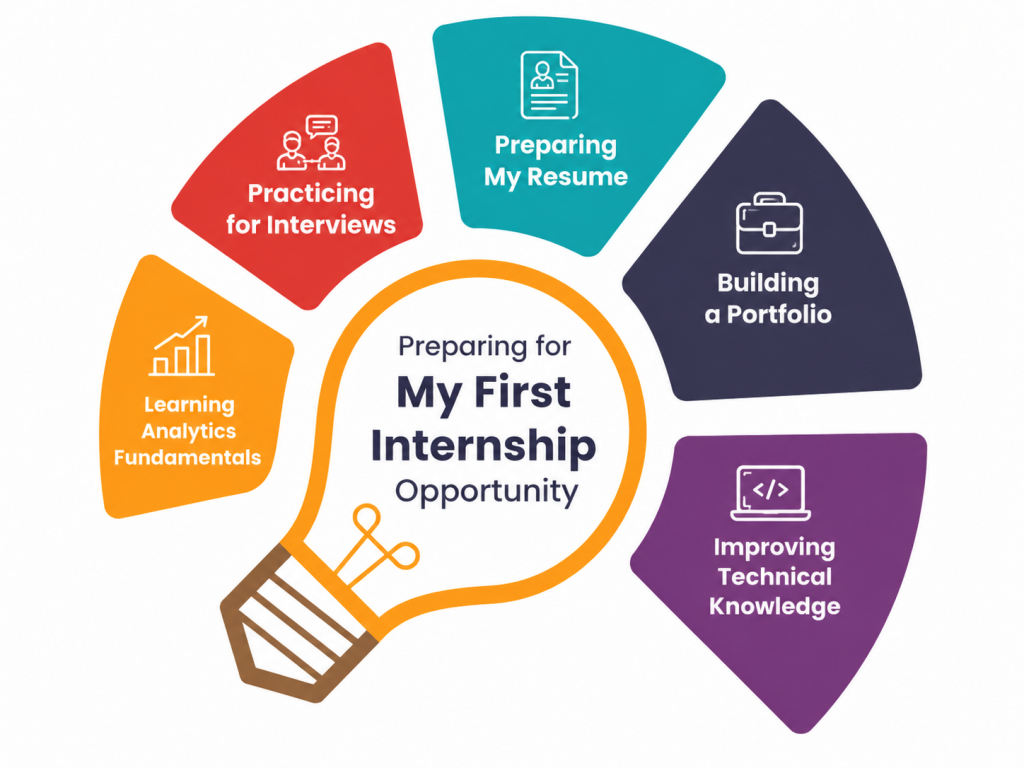
- Learning Analytics Fundamentals: Before applying for internships, I focused on understanding key data analytics concepts such as data cleaning, reporting, visualization, and statistical analysis. Building this foundation helped me feel more confident and prepared for professional responsibilities.
- Improving Technical Knowledge: I spent time learning industry-relevant tools and technologies that are commonly used by data analysts. Practicing Excel, SQL, and visualization software helped me develop practical skills and improve my readiness for internship opportunities.
- Building a Portfolio: Creating personal analytics projects allowed me to showcase my skills and demonstrate my ability to work with real datasets inData Analytics Training. These projects became valuable additions to my portfolio and helped strengthen my internship applications.
- Preparing My Resume: I carefully structured my resume to highlight technical skills, certifications, academic achievements, and project experience. A well-prepared resume improved my chances of attracting recruiter attention and securing interview opportunities.
- Practicing for Interviews: Preparing for interviews involved reviewing analytics concepts, practicing technical questions, and learning how to explain projects effectively and Top 10 Companies Hiring Data Analytics Interns. This preparation helped me communicate confidently and perform better during the recruitment process.
- Working with Microsoft Excel: Excel was one of the first tools I used during my internship. I learned how to organize data, perform calculations, create reports, and use advanced features such as pivot tables and charts for business analysis.
- Understanding SQL Databases: Learning SQL helped me retrieve, filter, and analyze information stored in databases. This experience improved my understanding of data management and enabled me to work efficiently with larger datasets.
- Exploring Power BI Dashboards: Power BI introduced me to interactive data visualization and dashboard creation. I learned how to present analytical findings in a visually appealing format that supports decision-making and business reporting.
- Using Reporting Tools: The internship exposed me to reporting platforms that helped monitor key performance indicators and track business outcomes. These tools improved my ability to communicate insights and present information effectively. Learn more in Top 10 Proven Ways to Secure a Data Analytics Internship.
- Adapting to New Technologies: Working in a professional environment required learning new tools quickly and adapting to changing technologies. This experience taught me the importance of continuous learning and staying updated with industry trends.
- Analyzing Business Data: I worked with real business datasets to identify patterns, trends, and performance indicators. These analyses helped support decision-making processes and provided valuable insights for improving organizational performance.
- Cleaning and Preparing Data: Data preparation was a major part of my responsibilities. I learned how to handle missing values, remove inconsistencies, and ensure data accuracy before conducting meaningful analysis and reporting activities.
- Creating Reports and Dashboards: Developing reports and dashboards helped me communicate analytical findings effectively. Presenting information through visualizations made it easier for stakeholders to understand business performance and key insights.
- Supporting Team Projects: Collaborating with experienced professionals allowed me to understand project workflows and business requirements. Team-based projects improved my communication skills and taught me the importance of working toward shared goals. Learn more in How Data Analytics Internships Help Freshers.
- Presenting Analytical Findings: Presenting insights to supervisors and team members helped me build confidence in communicating data-driven recommendations. This experience improved both my presentation skills and professional communication abilities.
- Understanding Complex Datasets: One of the biggest challenges was working with large and complex datasets that contained extensive information. Learning how to interpret and organize this data required patience, attention to detail, and continuous practice.
- Managing Tight Deadlines: Balancing multiple assignments while meeting project deadlines was initially difficult. The experience helped me develop better time management skills and taught me how to prioritize tasks effectively. Learn more in Why Metabase is a Powerful Tool for Data Analysts.
- Learning New Tools Quickly: Adapting to unfamiliar analytics tools and technologies required continuous effort and self-learning. This challenge pushed me to improve my technical abilities and become more comfortable with new software.
- Handling Data Quality Issues: Many datasets contained missing values, duplicates, and inconsistencies that affected analysis quality. Learning how to identify and resolve these issues became an important part of my professional development.
- Building Professional Confidence: Communicating with experienced professionals and presenting analytical findings was challenging at first. Over time, regular interaction, feedback, and project participation helped me become more confident and comfortable in professional settings.
Eager to Acquire Your Data Analytics Certification? View The Data Analytics Training Offered By ACTE Right Now!
Preparing for My First Internship Opportunity
Learning Industry Tools and Technologies

Working on Real-World Data Analytics Projects
Excited to Obtaining Your Data Analytics Certificate? View The Data Analytics Training Offered By ACTE Right Now!
Challenges I Faced During the Internship
Are You Considering Pursuing a Data Analytics Master’s Degree? Enroll For Data Analytics Expert Masters Program Training Course Today!
Key Skills and Knowledge I Gained
One of the most valuable outcomes of my data analytics internship was the wide range of skills and knowledge I gained throughout the experience. I improved my understanding of data collection, data cleaning, data analysis, and data visualization while working with real business datasets. The internship provided hands-on experience with industry-standard tools such as Excel, SQL, Power BI, and reporting platforms, helping me strengthen my technical capabilities. Learn more in Future Trends in Data Analytics You Shouldn’t Ignore. I also learned how to interpret data, identify trends, and transform complex information into meaningful insights that support business decision-making. Beyond technical skills, I developed problem-solving abilities, critical thinking, and attention to detail while handling analytical tasks and project requirements. Exposure to professional workflows taught me how analytics projects are planned, executed, and delivered within organizations. These experiences expanded my practical knowledge and provided a strong foundation for future growth in the field of data analytics. The skills I gained during the internship continue to support my learning journey and career development.
Set to Ace Your Data Analytics Job Interview? Check Out Our Blog on Data Analytics Interview Questions & Answer
Building Professional Confidence and Teamwork Skills
My internship experience played a significant role in improving my professional confidence and teamwork abilities. Initially, I was hesitant when communicating with experienced professionals and presenting my work to supervisors. However, regular participation in meetings, project discussions, and collaborative assignments gradually helped me become more comfortable in professional environments. Working with team members from different backgrounds taught me the importance of effective communication, active listening, and cooperation when solving business problems and How Freshers Can Get Data Analyst Jobs in 3 Months.
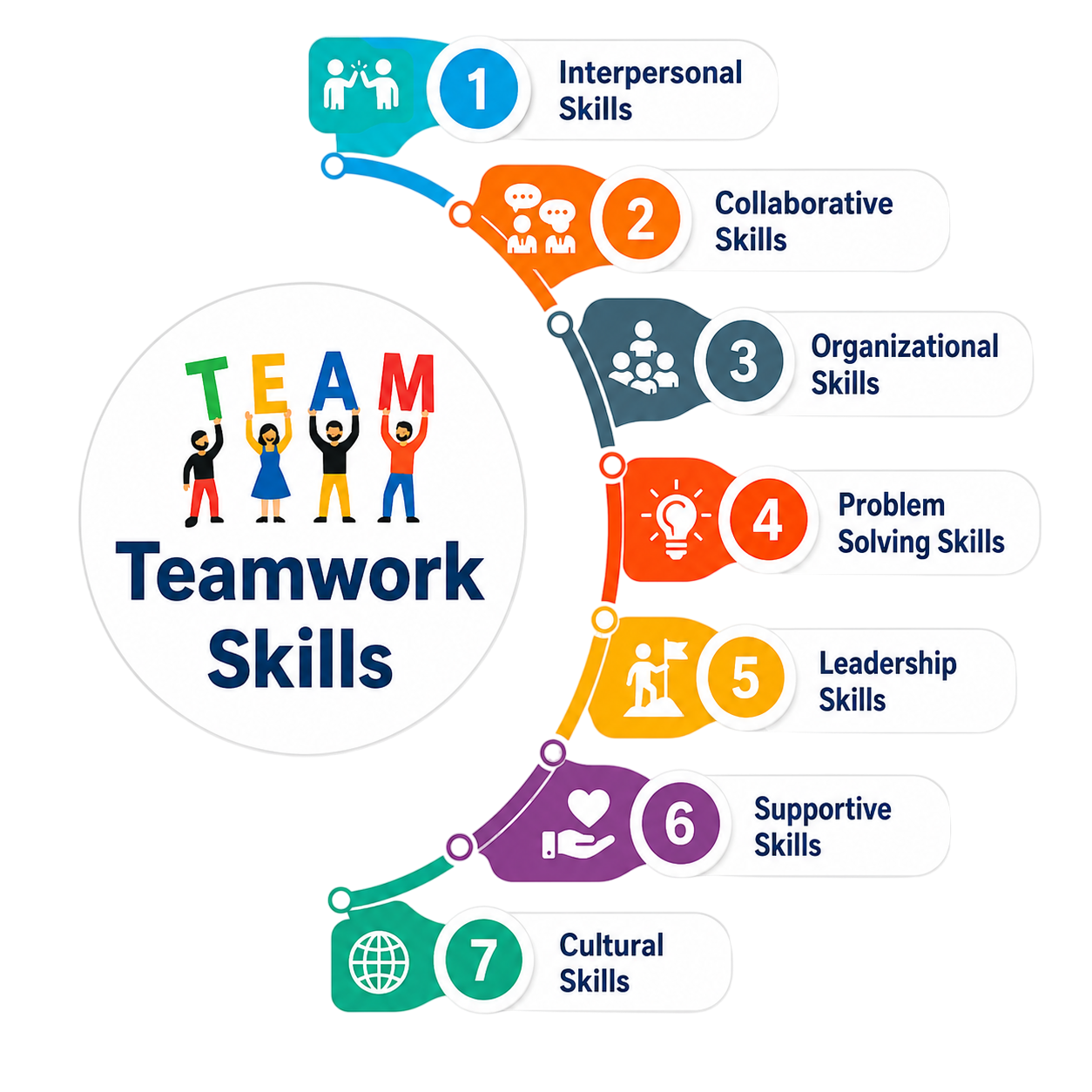
I learned how to share ideas, seek feedback, and contribute to group objectives while maintaining professionalism. Collaborating on analytics projects also improved my ability to manage responsibilities and work efficiently under deadlines. As I gained more experience and received positive feedback, my confidence grew significantly. The internship helped me understand that technical knowledge alone is not enough for success; strong interpersonal skills and the ability to work effectively within a team are equally important. These experiences prepared me for future workplace challenges and strengthened my overall professional development.
How the Internship Shaped My Career Goals
The data analytics internship had a major influence on shaping my long-term career goals and professional aspirations. Before starting the internship, I was interested in analytics but had limited understanding of the various career paths available within the industry. Through practical experience, I gained exposure to data analysis, reporting, business intelligence, dashboard development, and decision-support processes. This exposure helped me identify the areas that I found most engaging and rewarding. Working on real projects allowed me to see the impact that data-driven insights can have on business performance and strategic planning. The internship also highlighted the importance of continuous learning, as new tools, technologies, and methodologies are constantly emerging in the analytics field. As a result, I became more motivated to pursue advanced analytics skills and explore future opportunities in business intelligence and data-driven decision-making. The experience provided clarity about my professional interests and reinforced my commitment to building a successful career in data analytics.
Conclusion
My data analytics internship was a transformative experience that contributed significantly to both my personal and professional growth. Throughout the internship, I gained practical exposure to real-world analytics workflows, industry-standard tools, and business problem-solving processes that strengthened my technical and analytical capabilities. The experience taught me valuable lessons about teamwork, communication, adaptability, and continuous learning while helping me develop greater confidence in professional environments. I learned how to handle challenges, work with complex datasets, and contribute meaningfully to organizational objectives through data-driven insights in Data Analytics Training . The internship also provided a deeper understanding of industry expectations and helped me identify the skills required for long-term success in analytics careers. Most importantly, it confirmed my passion for working with data and reinforced my desire to continue developing expertise in this field. Looking back, the internship served as an important stepping stone that prepared me for future opportunities and laid a strong foundation for a rewarding career in data analytics.